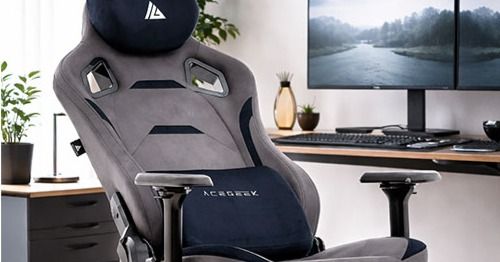
Ergonomic Chair Durability, Warranty, and Service Life Guide
Most chairs lie.
The word “ergonomic” gets sprayed across product pages like it settles the argument, but the actual office chair lifespan is usually decided by boring, hidden parts: the leg base, the tilt hardware, the gas cylinder, the foam density, the fasteners, and whether anyone answers your email when something fails in month 19.
Want the hard truth?
I do not trust a chair because it looks expensive, and I definitely do not trust it because the armrests move in four directions. I trust the ugly signals: recall history, warranty language, replacement-part access, published mechanism details, and whether the brand is brave enough to put service obligations in writing.
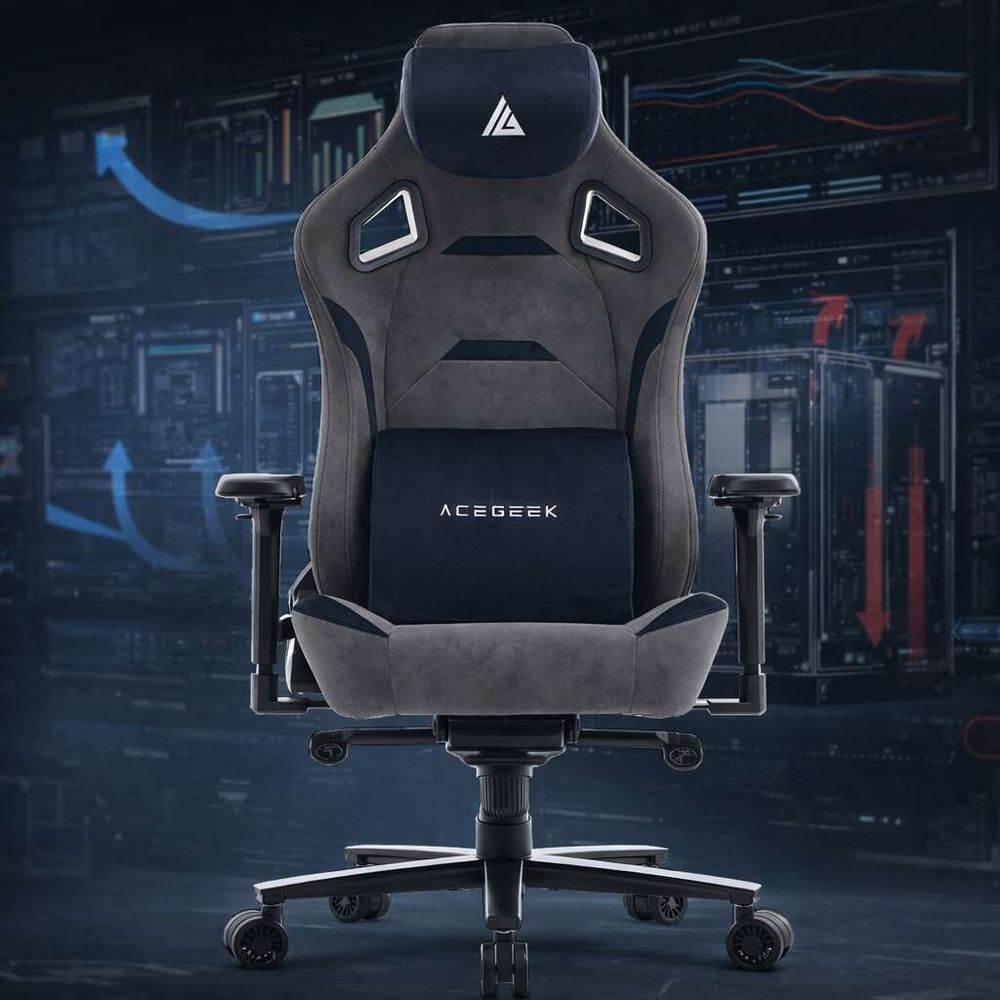
Why ergonomic chair durability fails in the hidden parts
A chair dies quietly.
Then, all at once, it becomes a fall hazard, a backache machine, or a dead asset your finance team writes off faster than expected, which is why I pay more attention to failure modes than to lifestyle photography. In 2023 alone, the U.S. Consumer Product Safety Commission published recalls for the Amazon Basics Executive Desk Chair, where the leg base could break and 13 breakage reports included one minor shoulder injury; the IKEA ODGER Swivel Chair, where the leg base could break and there were four reports plus two injuries; and TJX office chairs sold for $60 to $70, where the back broke or detached and 10 injuries were reported, including a concussion. That is not branding noise. That is durability becoming liability.
And here is the part too many buyers miss: ergonomics is not just about comfort; it is about reducing physical stress over time. OSHA’s ergonomics overview still frames the goal correctly as fitting the job to the person, not forcing the person to absorb bad design, while a 2024 NIOSH health hazard evaluation found workstation design increased employees’ risk of musculoskeletal disorders and explicitly pushed engineering controls, better height adjustments, and scheduled breaks. So, yes, a bad chair can fail mechanically, but it can also “fail” long before that by turning eight hours of sitting into cumulative strain.
The failure sequence I watch first
I have seen this pattern too many times.
First the seat foam packs down, then the user compensates with posture, then the tilt mechanism or cylinder starts getting blamed for “comfort issues,” and only later does someone admit the chair is functionally done even though it still technically rolls. That is why I separate service life from survival. A chair that still stands is not necessarily a chair that still works.
Warranty language is where brands hide the real cost
Warranty copy matters.
Under the Magnuson-Moss Warranty Act and the FTC’s own Businessperson’s Guide to Federal Warranty Law, written warranties on consumer products are supposed to be labeled “full” or “limited,” and that distinction is not cosmetic; it tells you, at minimum, that exclusions, labor, shipping, and remedy limits need real scrutiny. Then in July 2024, the FTC warned companies about warranty practices that could interfere with consumers’ right to repair. My blunt translation: a long warranty is nice, but a hostile claims process can make it feel fake.
I care about four questions. Does the warranty cover parts only, or parts and labor? Is it valid for multi-shift or 24/7 use, or only normal residential use? Does it exclude foam, fabric, arm pads, casters, and cylinders after a short window? And can I still get the part in year five without begging? If a brand dodges those questions, I assume the “ergonomic chair warranty” exists mainly for the checkout page.
Public warranty signals worth taking seriously
Here is the market split I actually respect.
Official public policies show a real hierarchy: Herman Miller says many products are covered by a 12-year warranty that includes parts and labor; Steelcase Leap says the chair is backed by a 12-year, multi-shift, 24/7 parts-and-labor warranty; HON markets a full lifetime warranty; and Branch’s Ergonomic Chair lists a 7-year warranty. I am not saying every buyer needs a flagship chair. I am saying the warranty band tells you what the brand thinks the chair can survive.
Chair signalMy realistic service-life betWhat usually fails firstWhat I want in writingCheap chair with short, parts-only coverage2–4 yearsbase, cylinder, foam, back attachmentexact excluded parts and shipping termsMid-tier chair with 5–7 year coverage4–7 yearsarm pads, foam, casters, cylinder driftreplacement-part pricing and response timePremium chair with 10–12 year parts-and-labor coverage8–12+ yearsupholstery wear before structuremulti-shift coverage, labor included“Lifetime” promisecase by caseexclusions do the damagedefinition of “life of product”
That table is my reporting judgment, not a fairy tale. And I will say something a lot of sellers do not like hearing: the difference between a seven-year chair and a twelve-year chair is often less about marketing polish than about whether the mechanism and after-sales system were built for repeated punishment.
Office chair service life is not the same as compliance
Standards help.
But standards also get abused in copy because buyers hear “tested” and imagine “comfortable for a decade,” when those are not the same promise. The BIFMA standards overview makes clear that ANSI/BIFMA X5.1 applies to general-purpose office chairs, and the published standard description for ANSI/BIFMA X5.1-2017(R2022) also states that it does not address ergonomic considerations, cushioning-material durability, or surface-material durability. That means a chair can clear a real safety-and-durability test and still age badly where users actually feel it: pressure distribution, foam recovery, heat retention, and lumbar consistency. Surprised? You should not be.
My favorite durability question is brutally simple
What happens after year three?
If the answer is a vague paragraph about “normal wear and tear,” I assume I am buying a disposable chair with good lighting. If the answer includes cylinders, mechanisms, labor, claim routing, and who pays freight, now we are talking like adults.
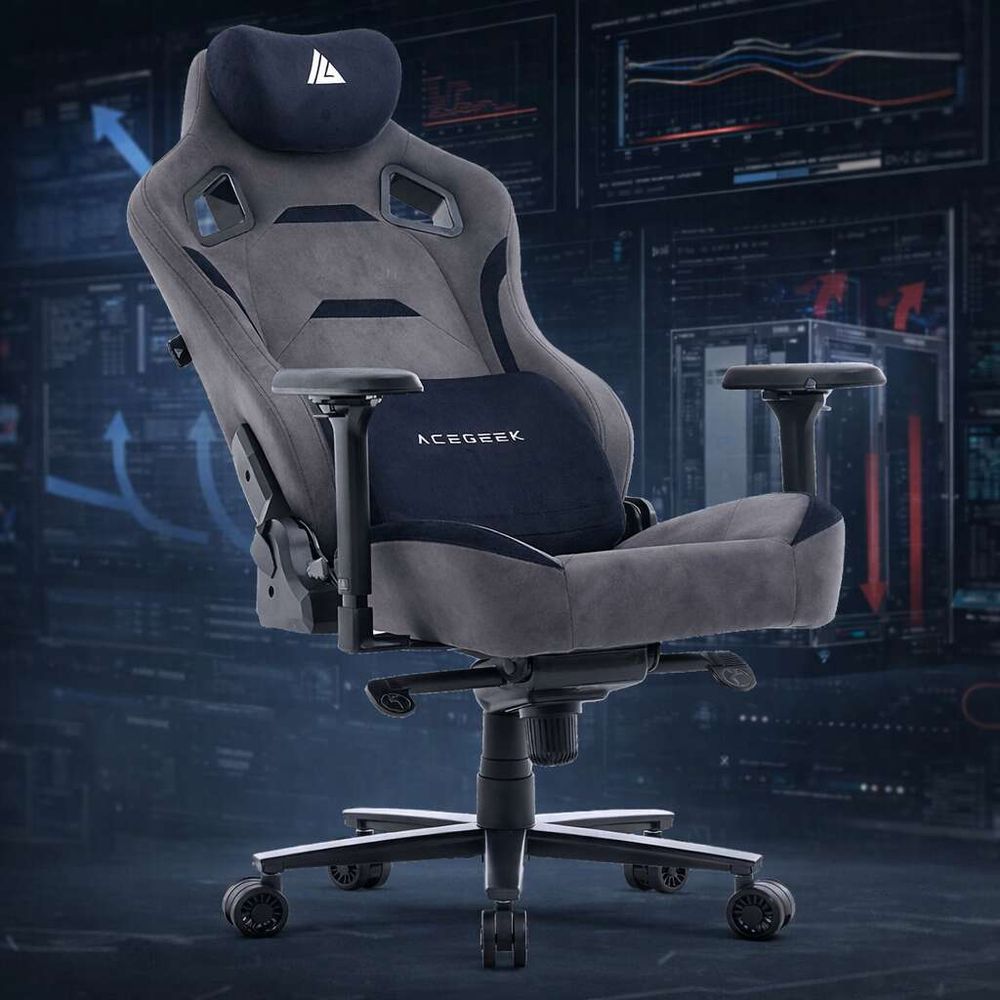
How I’d use ACEGEEK’s own pages to vet a chair
The structure tells a story.
From the pages I reviewed, ACEGEEK has a clear chair-and-desk cluster already in place: a gaming chair category hub, individual chair pages such as the Evo Lth RGB ergonomic gaming chair, the Onyx 4D adjustable gaming chair, and the Ergo ergonomic gaming chair, plus sit-stand desk pages for the Mars adjustable height desk and Venus adjustable height desk. That is the right commercial cluster for a buyer researching ergonomic chair durability, because chairs do not live in isolation; desk height, arm position, and seat pressure all bleed into service life and perceived comfort.
More interesting, the surfaced ACEGEEK chair pages emphasize mechanism and padding details rather than abstract wellness claims: the Ergo, Onyx, and Evo Fab pages call out magnetic pillows, a frog mechanism, and mould foam, while Evo Lth RGB adds “RGB Gaming Vibe.” On the desk side, Mars and Venus publicly list a 720–1180 mm height range, 70 kg max load, 20 mm/s speed, and two memory heights. That gives you real on-page entities to compare. I would rather see those than another paragraph telling me my spine will thank me.
But there is a gap.
ACEGEEK also has a live support hub, a contact page, and a blog, yet the public support content surfaced in this review is case-related rather than chair-service-related, and the blog categories shown are broad rather than chair-warranty-specific. For SEO, that is an opening. For buyers, it means you should ask for the written chair warranty, excluded parts, and claim path before money changes hands. Why guess? (acegeek.com)
The internal links I would absolutely keep in this topic cluster
I would naturally route this article toward the gaming chair collection, then into the product-detail pages for Evo Lth RGB, Onyx, and Ergo, and finally into the companion sit-stand desk pages for Mars and Venus. That path mirrors real buyer behavior: compare chair mechanisms, compare padding, then decide whether the desk setup is making the chair work harder than it should.
FAQs
How long do ergonomic chairs last?
A well-made ergonomic chair usually lasts about five to twelve years because service life is driven by the frame, tilt mechanism, gas cylinder, foam compression, upholstery wear, user weight, daily sitting hours, and whether the brand still supports the product with real replacement parts after year three or four. Premium warranties often signal longer design life, but I still inspect the chair like a mechanic, not a fan.
What does a limited ergonomic chair warranty actually mean?
A limited ergonomic chair warranty means the manufacturer is promising some level of coverage, but it can legally carve out labor, shipping, specific components, commercial use, upholstery wear, or time-based exclusions, so the headline number alone tells you far less than most buyers assume at first glance. I read “limited” as an invitation to hunt for exclusions before I buy.
Is a longer office chair warranty always better?
A longer office chair warranty is a strong positive signal, but it is not automatically better unless it clearly covers the mechanism, cylinder, arms, and service labor, remains valid for your usage pattern, and gives you a practical claims process instead of a maze of approvals and shipping costs. I would take a blunt, well-scoped 7-year warranty over a slippery 12-year promise any day.
Which chair parts fail first in real life?
The parts that usually fail first are the base, back-to-seat connection, gas cylinder, tilt mechanism, arm pads, casters, and seat foam, because those components absorb repeated load cycles, side pressure, body heat, and small daily movements that marketing pages rarely emphasize but recall notices often expose in brutal detail. I always inspect attachment points and foam recovery before I obsess over headrests.
Should I repair my chair or replace it?
You should repair a chair when the frame and mechanism platform are still sound and the fix is limited to casters, arm pads, a cylinder, or a defined replacement part, but you should replace it when structural joints, the base, or long-term support quality have degraded enough to change posture or create risk. My rule is simple: if the chair changes how you sit, it has already started failing.
Your next move before you buy
Ask better questions.
Open the ACEGEEK gaming chair hub, compare the Evo Lth RGB ergonomic gaming chair, Onyx 4D adjustable gaming chair, and Ergo ergonomic gaming chair, then pair that review with the Mars adjustable height desk or Venus adjustable height desk if your workstation height is part of the problem. After that, use the ACEGEEK support page and contact page to get written answers on warranty length, excluded parts, labor coverage, shipping responsibility, and replacement-part availability. That single email will tell you more about the real service life of a chair than twenty ad slogans ever will.