When choosing a CPU cooler—whether air or liquid—performance is just as important as aesthetics. But how do you accurately evaluate a cooler’s capabilities? This is where the term TDP (Thermal Design Power) comes into play. Understanding TDP helps you select the right cooling solution for your needs, ensuring your system runs at peak efficiency.
What is TDP?
TDP, or Thermal Design Power, refers to the maximum amount of heat a component (typically a CPU or GPU) generates under a heavy theoretical load. In simpler terms, it is a standardized measure of heat output used to determine the cooling requirements for that specific component.
While TDP is listed for both CPUs and coolers, the meaning differs slightly between the two:
.On a CPU: TDP represents the heat output. A higher TDP indicates that the processor generates more heat, which typically correlates with higher processing power and performance.
.On a Cooler: TDP indicates cooling capacity. A cooler’s TDP rating tells you the maximum heat output it can effectively dissipate.
In short: A CPU’s TDP indicates how much heat it produces, while a cooler’s TDP rating tells you how much heat it can handle.
How to Choose the Right Cooler Based on CPU TDP
When selecting a cooler, it is essential to match the cooler’s TDP rating with the thermal output of your CPU. To ensure stability, it is often recommended to choose a cooler with a TDP rating that exceeds the CPU's maximum power draw.
For Mid-Range CPUs
Standard mid-range processors often have a base power around 65W but can reach much higher levels (e.g., 150W+) during turbo or boost frequencies. For these chips, a high-quality air cooler with multiple copper heat pipes is usually sufficient. A cooler rated for 200W TDP provides excellent "headroom," allowing the CPU to maintain higher clock speeds for longer periods.
For High-End or Enthusiast CPUs
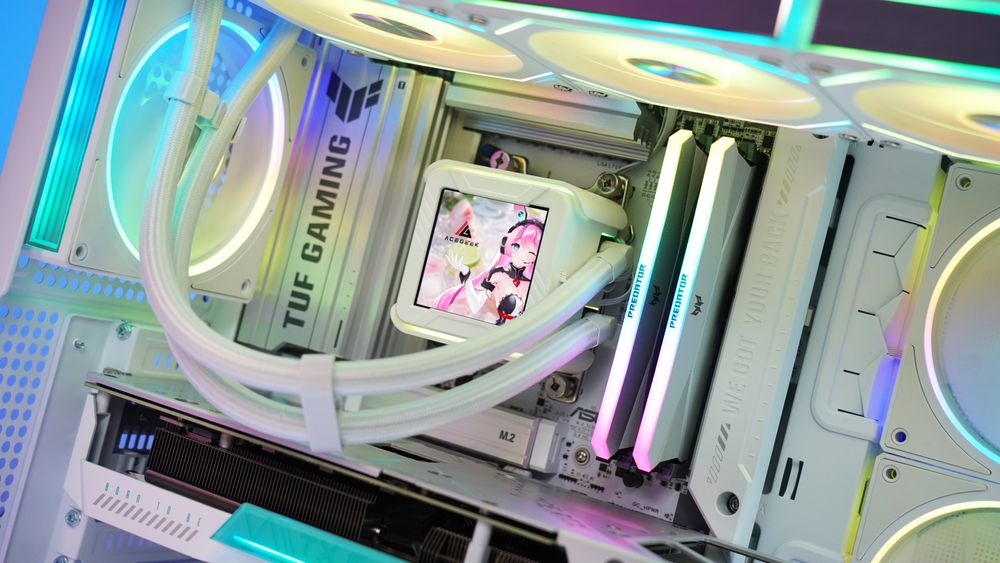
Flagship processors generate significantly more heat, often exceeding 250W under full load. In these scenarios, air cooling may struggle to keep temperatures within safe limits. An All-in-One (AIO) liquid cooler is generally the better option here. Liquid coolers with large radiators (such as 360mm models) often feature TDP ratings of 300W or higher, providing the thermal dissipation required for heavy workloads like video rendering or 4K gaming.

Why Understanding TDP Matters
TDP is a critical factor because it prevents "thermal throttling"—a safety feature where the CPU slows itself down to prevent damage from overheating. By choosing a cooler that matches or exceeds your CPU's thermal requirements, you ensure:
.System Stability: No unexpected crashes during heavy tasks.
.Optimal Performance: Your CPU can stay in its "Turbo" state longer.
.Longevity: Components last longer when kept at lower operating temperatures.
Summary
Whether you are building a budget workstation or a high-performance gaming rig, checking the TDP values of both your CPU and your cooler is essential. Always aim for a cooler that can handle more than your CPU's peak output to ensure a quiet, stable, and high-performing system.