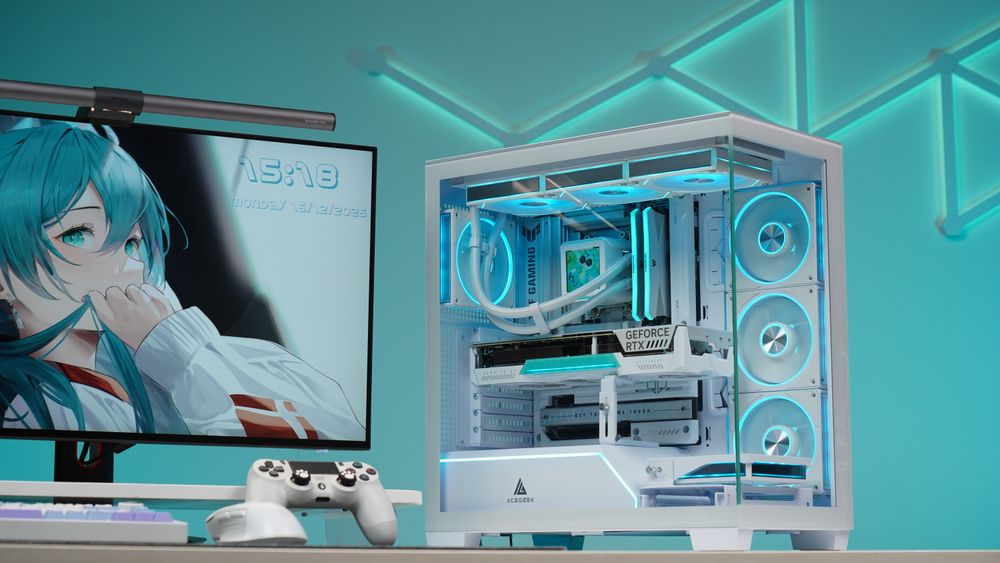
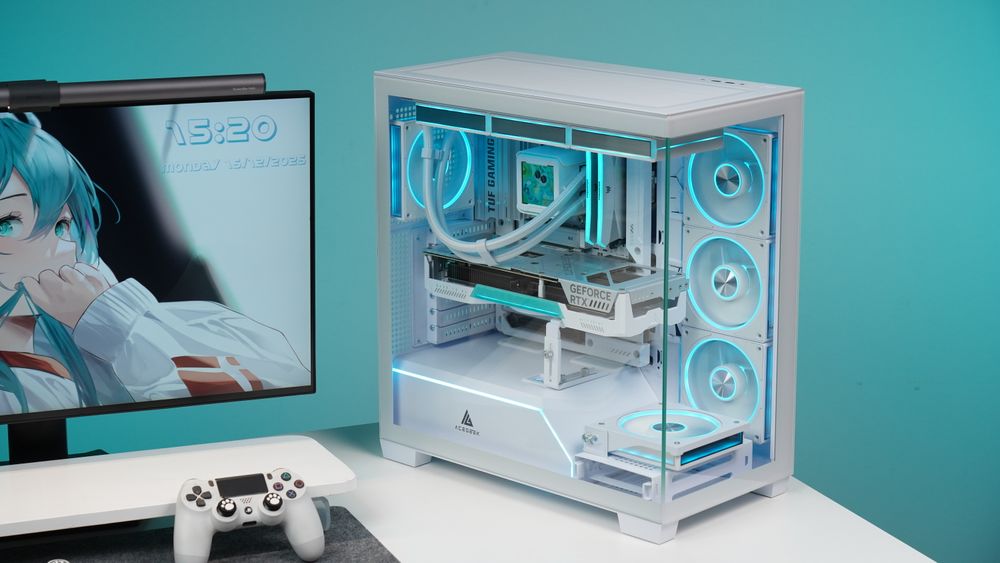
If you’ve ever planned a "snow-white" PC build, you’ve likely encountered the "White Tax." Whether it’s a chassis or an AIO cooler, the white version almost always carries a premium over the standard black model. This isn't just arbitrary pricing; it’s a result of complex manufacturing, stringent quality control, and market economics.
The Complexity of Coating
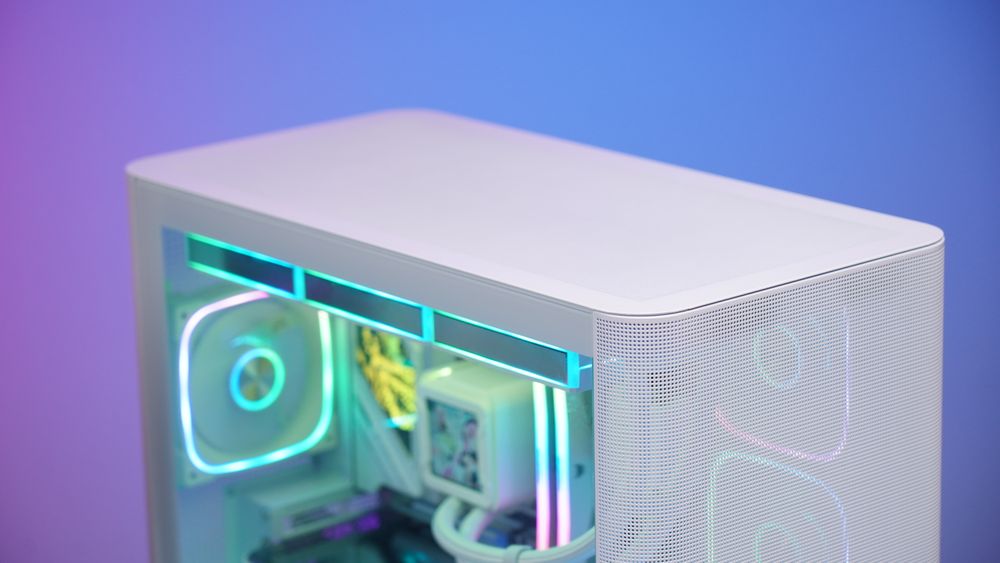
Achieving a flawless white finish is significantly more difficult than producing a black one. Black paint is inherently opaque and can easily cover a metal surface in a single pass. White paint, however, is more translucent. To ensure the dark metallic gray of the underlying steel doesn't bleed through, manufacturers must apply multiple layers of coating. This extra labor and material naturally drive up the base cost.
The "Zero-Tolerance" Environment
White surfaces are unforgiving. In a standard factory environment, even microscopic dust particles or airborne oils can ruin a finish.
Contamination
On a black case, a tiny speck of dust is often invisible. On a white case, it’s a glaring defect.
Quality Control
To maintain a high yield, manufacturers must operate in "clean-room" conditions with advanced air filtration. The higher scrap rate (parts rejected due to blemishes) means the successful units must carry the cost of the failed ones.
Economies of Scale
Despite the rising popularity of "all-white" setups, black remains the industry standard.
Production Volume
Manufacturers produce black components in massive quantities, lowering the cost per unit.
Inventory Risk
White components are produced in smaller batches, which reduces "economies of scale" and increases the logistical cost of holding specialized inventory.
Conclusion
When you buy a white component, you aren't just paying for a color swap. You are paying for additional material, stricter labor standards, and the rarity of the aesthetic. It is the price of achieving a clean, modern look that stands out from the crowd.